
Keeping teeth healthy requires more than daily brushing and flossing. Some areas of the mouth are naturally harder to clean, especially the deep grooves on the chewing surfaces of back teeth. These narrow pits can trap food, bacteria, and plaque, increasing the risk of tooth decay. One of the most effective ways to protect these vulnerable areas is with dental sealants.
Dental sealants are a simple, painless preventive treatment recommended for children, teens, and adults who want to reduce their chances of developing cavities. In this article, we explain what sealants are, how they work, who they benefit, and why they remain one of the most trusted cavity prevention tools in dentistry.
What Are Dental Sealants?
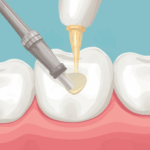 Dental sealants are thin, protective coatings applied to the chewing surfaces of molars and premolars. These back teeth have natural grooves that can be too deep or narrow for toothbrush bristles to reach. Sealants smooth out these surfaces, creating a barrier that blocks plaque and bacteria from settling into the grooves.
The material used is a safe, BPA-free resin that flows easily into the pits of the teeth. Once placed, the dentist uses a special curing light that hardens the sealant in seconds. The result is a clear or tooth-colored shield that blends in naturally with the tooth.
Why Are Sealants So Effective at Preventing Cavities?
Studies from the Centers for Disease Control and the American Dental Association show that dental sealants can prevent up to 80% of cavities in the first two years after placement. They continue to provide strong protection for many years with proper oral hygiene and routine dental checkups.
Sealants work so well because they:
- Cover areas that are difficult to clean with brushing
- Block food and bacteria from settling into deep grooves
- Protect enamel from acid attacks
- Reduce the need for fillings and future dental work
While fluoride helps strengthen the enamel, sealants add a layer of physical protection, making them an ideal pair for cavity prevention.
Who Can Benefit from Dental Sealants?
- Children: Sealants are most commonly recommended for children between the ages of six and fourteen. These are the years when permanent molars erupt, and new teeth are most vulnerable before their enamel fully hardens. Applying sealants early helps stop cavities before they start.
- Teens: Teenagers with deep grooves or a history of cavities can also benefit. Sealants protect their molars through the high-risk years when diet and brushing habits may not always be ideal.
- Adults: Adults with cavity-prone teeth or natural deep fissures can receive sealants as long as their teeth do not already have decay or existing fillings. Sealants help preserve tooth structure and prevent future dental treatment.
What Happens During a Sealant Appointment?
Getting dental sealants is quick, comfortable, and does not require any numbing. Most appointments take only a few minutes per tooth. The process includes:
- Cleaning the tooth to remove plaque and debris
- Applying a conditioning gel that helps the sealant bond
- Rinsing and drying the tooth
- Painting the sealant into the grooves
- Using a curing light to harden the material
Once cured, the sealant becomes a strong, smooth barrier that protects the tooth from decay.
How Long Do Dental Sealants Last?
Dental sealants typically last 3 to 10 years, depending on diet, grinding habits, and normal wear. Your dentist will check them at every cleaning appointment and reapply them if necessary. Even with partial wear, sealants continue to offer valuable protection.
Are Dental Sealants Safe?
Yes. Dental sealants are considered safe and effective for patients of all ages. They contain no harmful levels of BPA, and scientific reviews consistently show that sealants prevent cavities without increasing health risks. They are widely recommended by leading dental organizations as a proven preventive treatment.
Sealants vs Fillings: What Is the Difference?
- Sealants prevent cavities.
- Fillings repair cavities after they form.
Choosing to place sealants while teeth are still healthy saves time, money, and tooth structure in the long run. Preventive dentistry always provides better outcomes than restorative treatment.
The Cost of Dental Sealants
Many dental insurance plans cover sealants for children, and more plans are beginning to include coverage for adults. Even without insurance, sealants are affordable and typically cost far less than a future filling or crown. Considering their effectiveness, they provide excellent value in preventive care.
Should You Consider Dental Sealants?
If you or your child has deep grooves in the back teeth, a history of cavities, or newly erupted molars, dental sealants are a highly effective way to protect long-term oral health. Sealants add a durable shield against decay and help keep your teeth cavity-free for years.